Hiking 100 Miles Tracking Grizzlies Across the Arctic (Episode 2 of 3) Thank you Brooklyn
Bedding for sponsoring!
Visit https://brooklynbedding.com/endlessventure to get 30% off your order with code ENDLESSVENTURE
Get 20% off any ONX subscription with code "VENTURE20" at https://www.onxmaps.com
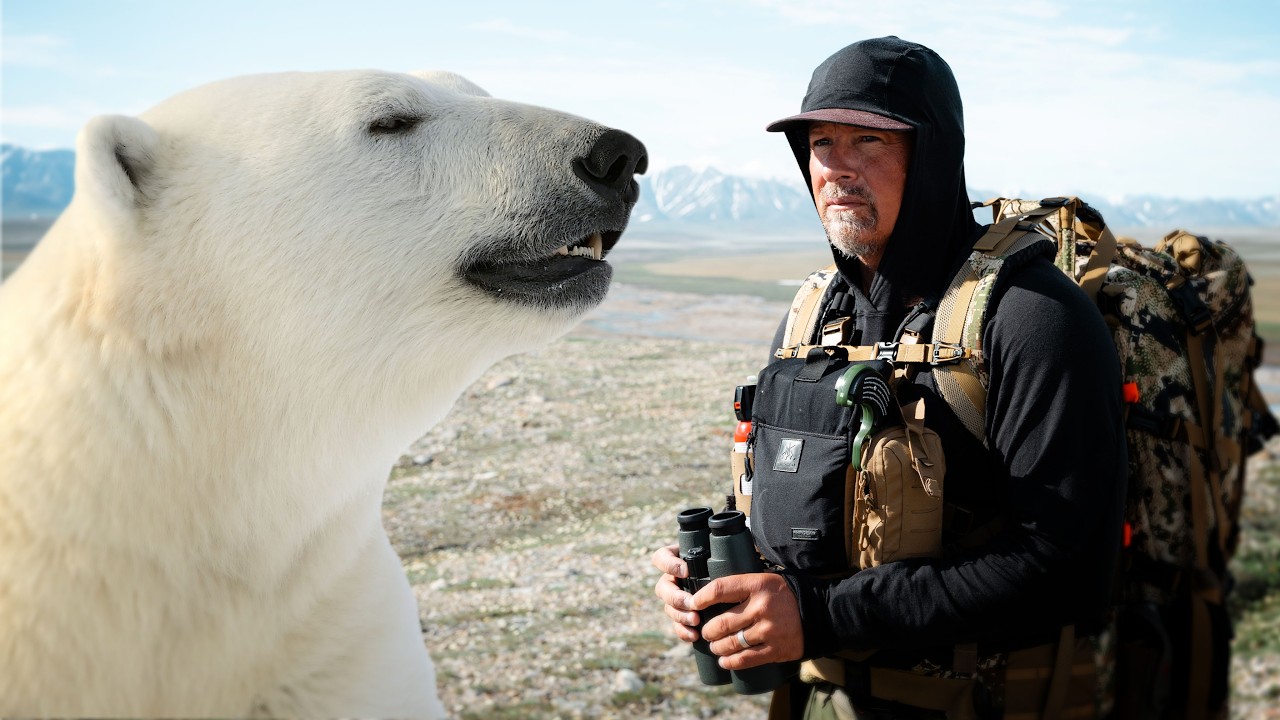
For 12 days, Riley and I set out on one of the most ambitious expeditions we’ve ever attempted: a 100-mile journey on foot across Alaska’s Arctic National Wildlife Refuge, from the foothills of the Brooks Range all the way to the Arctic Ocean.
We were dropped onto the tundra by bush plane, more than 2.5 hours from the nearest help. From there, we had no roads, no trails, no resupply, and no support crew. Everything we needed to survive had to be carried on our backs — 100 pounds of food, camping gear, camera equipment, and safety equipment each.
Our goal was to cross this immense wilderness entirely on foot while searching for the predators and wildlife that call this place home. We were looking for grizzly bears and wolves following the migration of caribou, and eventually searching for polar bears as they leave the sea ice and make their way onto the coastal plain for the summer.
But this expedition was about more than wildlife.
The Arctic National Wildlife Refuge is one of the last truly wild, untouched ecosystems left on the planet. Its rivers, mountains, tundra, and coastal plain support an incredible abundance of life — from caribou, musk ox, and wolves to grizzly bears, polar bears, and countless other species.
At the same time, this landscape has become the center of a long-running debate over oil development. Beneath parts of the refuge lies one of North America’s significant oil reserves, and there have been continued efforts to open this wilderness to drilling and development.
After spending nearly two weeks walking across this country, carrying everything we needed to survive, I came away with an even deeper appreciation for what exists here — and what could be lost.
This is episode 2 of our 3 part series telling the story of our journey across one of the most remote places on Earth, and an attempt to show you what this wilderness actually looks like, what lives here, and why places like this matter.
Casey Anderson
https://www.facebook.com/GrizGuy/
https://www.instagram.com/grizzlyguy/
Riley McClaughry (Cameraman/Editor)
https://www.instagram.com/riley.mcclaughry/
DISCLAIMER:
The content featured on Endless Venture is created by Casey Anderson, a professional wildlife tracker, filmmaker, and wilderness expert with nearly 50 years of experience in the field, alongside a highly trained team of professionals.
All activities involving wild animals and remote wilderness environments are conducted with extensive knowledge, preparation, and safety protocols.
Do not attempt to replicate anything you see on this channel without the guidance and support of qualified professionals.
Wild animals are unpredictable, and wilderness environments can be extremely dangerous.
Your safety—and the safety of wildlife—should always come first.